


Modern building steel dominates public venue construction due to its ability to meet the demands of contemporary architecture and engineering. Advanced steel solutions enable large-span structures, foster collaboration with architects, and leverage intelligent manufacturing. Examples like stadiums, airports, and exhibition centers showcase steel’s leadership in shaping innovative public spaces.
Modern building steel provides unmatched strength, allowing for large, open spaces in public venues. This design flexibility enhances crowd movement and visibility.
Prefabrication of steel components speeds up construction and improves quality. This method reduces delays and allows venues to open sooner.
Steel is highly recyclable and supports sustainability goals. Using steel helps reduce waste and lowers the carbon footprint of new constructions.
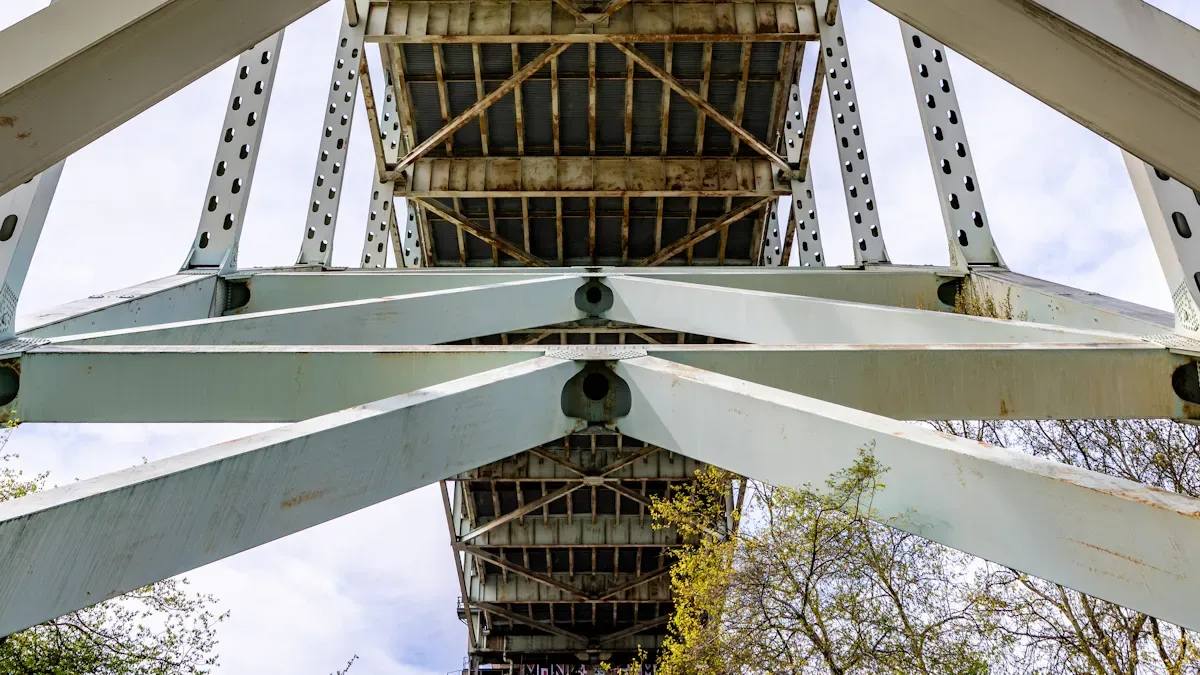
Modern Building Steel provides unmatched strength, making it the foundation for large-span structures in public venues. Architects and engineers rely on steel to create open spaces without columns, allowing for flexible layouts and unobstructed views. These features are essential in stadiums, airport terminals, and exhibition centers, where crowd movement and visibility matter most.
Grid and truss systems form the backbone of large-span steel structures. Engineers design these systems to distribute loads efficiently, supporting roofs and facades across vast distances. Advanced fabrication methods, including laser cutting and intelligent welding, ensure precision and reliability. The synergy between architects and R&D professionals leads to innovative solutions that meet both aesthetic and structural demands.
Tip: Grid and truss systems enable architects to push the boundaries of design, creating iconic public venues that stand out in urban landscapes.
|
Application Type |
Key Feature |
Example Keyword |
|---|---|---|
|
Stadium Roofs |
Wide column-free spans |
Stadium Steel Structure Fabrication |
|
Exhibition Center Halls |
Customizable layouts |
Custom Long Span Steel Frames |
|
Airport Terminals |
Large open spaces |
Stadiums showcase the power of steel in creating massive, uninterrupted spaces. Steel frames support heavy loads and withstand dynamic forces from crowds and weather. Teams use advanced modeling and digital workflows to optimize every element, ensuring safety and durability. These structures often become city landmarks, reflecting both engineering excellence and architectural vision.
Prefabrication stands as a cornerstone of efficient public venue construction. Engineers assemble structural steel components in controlled factory environments, which ensures consistent quality and reduces errors. Workers transport these prefabricated elements to the site, where crews complete installation quickly. This method minimizes weather-related delays and limits disruption to surrounding areas. Teams can schedule work with greater precision, allowing venues like stadiums and exhibition centers to open sooner. Prefabrication also supports complex architectural designs, as factories use advanced equipment to shape steel into unique forms.
Note: Prefabrication improves safety by reducing on-site labor and exposure to hazardous conditions.
Digital workflow transforms project management in public venue construction. Project teams use IoT devices and Big Data analytics to monitor progress in real time. Managers track material deliveries, coordinate schedules, and resolve issues before they impact the timeline. Intelligent manufacturing systems integrate with digital platforms, streamlining communication between architects, engineers, and contractors. This approach ensures that every phase, from design to installation, follows a clear plan. Modern Building Steel leverages digital workflow to deliver projects on time and within budget.
Key advantages of digital workflow:
Enhanced coordination among stakeholders
Reduced construction timelines
Improved quality assurance
Modern building steel stands out as a highly recyclable material. Project teams can recover and reuse steel components at the end of a building’s life cycle. This process reduces the demand for raw materials and minimizes waste sent to landfills. Steel retains its properties through multiple recycling cycles, which supports a circular economy in the construction industry.
♻️ Tip: Choosing steel for public venues helps organizations meet sustainability goals and demonstrates environmental responsibility.
Many public venues, such as stadiums and exhibition centers, use steel sourced from recycled content. This approach lowers the carbon footprint of new construction. Teams can also repurpose steel elements during renovations or expansions, which further extends the material’s lifecycle.
Modern building steel aligns with international green building standards. Project managers often select steel to achieve certifications like LEED or BREEAM. These standards recognize materials that support energy efficiency, resource conservation, and healthy indoor environments.
Key ways steel supports green standards include:
High recycled content in structural components
Compatibility with energy-efficient building systems
Reduced site disturbance due to prefabrication
Steel structures also allow for the integration of solar panels, green roofs, and advanced insulation. These features help public venues reduce operational energy use and meet strict environmental regulations. By prioritizing steel, developers create venues that serve communities while protecting the planet.
Modern building steel offers exceptional resistance to harsh weather conditions. Engineers design steel structures to withstand heavy rain, strong winds, and extreme temperatures. Protective coatings, such as galvanization and specialized paints, shield steel from corrosion and rust. These treatments extend the lifespan of public venues, even in coastal or humid environments.
🛡️ Tip: Regular maintenance checks help preserve the integrity of steel structures, ensuring long-term performance.
Many stadiums and airport terminals rely on steel frameworks to maintain safety during storms or rapid temperature changes. Steel’s strength and resilience make it a preferred choice for venues that must operate year-round, regardless of climate.
Steel structures excel in fire and seismic safety. Engineers use fire-resistant coatings and insulation to enhance steel’s ability to withstand high temperatures. These measures slow heat transfer, giving occupants more time to evacuate during emergencies.
In regions prone to earthquakes, steel’s flexibility and ductility play a crucial role. Steel frames absorb and dissipate seismic energy, reducing the risk of structural failure. This property allows public venues to meet strict building codes and protect large crowds.
|
Safety Feature |
Benefit |
|---|---|
|
Fire-Resistant Coating |
Delays heat transfer |
|
Seismic Flexibility |
Absorbs earthquake forces |
|
Corrosion Protection |
Extends structural lifespan |
Modern building steel ensures that public venues remain safe, reliable, and resilient under challenging conditions.
Modern Building Steel empowers architects to realize bold visions for public venues. They can design sweeping curves, dramatic cantilevers, and expansive atriums. Steel’s high strength-to-weight ratio allows for slender supports and open interiors. This flexibility supports unique layouts for museums, theaters, and commercial headquarters. Architects and engineers collaborate to solve complex design challenges, using advanced modeling tools and fabrication techniques. The result is a structure that balances form and function.
💡 Tip: Flexible steel frameworks make it easier to adapt spaces for different events or future needs.
Steel enables the creation of custom facades that define a building’s identity. Designers can specify intricate patterns, sculptural elements, or transparent curtain walls. Fabricators use precision equipment, such as laser cutters and intelligent welding robots, to achieve exact shapes and finishes. This process ensures that each facade meets both aesthetic and performance requirements.
|
Facade Feature |
Benefit |
|---|---|
|
Sculptural Elements |
Distinctive visual impact |
|
Integrated Lighting |
Enhanced nighttime presence |
|
Advanced Materials |
Improved energy performance |
Custom steel facades help public venues stand out in urban environments. They also support branding and community engagement by reflecting local culture or history.
Modern Building Steel supports growth through integrated project delivery. Turnkey solutions and EPC/Design-Build services streamline the process from concept to completion. Project teams coordinate design, procurement, and construction under one contract. This approach reduces risk and ensures that future expansions align with the original structure. Digital workflows and intelligent manufacturing make it easy to add new sections or upgrade facilities as demand increases. Owners can plan for phased development, knowing that steel frameworks will support additional loads and new architectural features.
Facility owners choose Modern Building Steel to future-proof their investments. They gain the confidence to expand or adapt their venues as community needs evolve.
Modern building steel delivers unmatched strength, speed, sustainability, durability, versatility, cost savings, and adaptability.
Advanced technology and intelligent manufacturing drive innovation in public venues.
Decision-makers invest in steel to create reliable, future-ready spaces. Public venues will continue to evolve with steel at the forefront.
Stadiums, airports, exhibition centers, museums, and theaters gain the most from steel’s strength, flexibility, and large-span capabilities.
Steel offers high recyclability and aligns with green building standards. Teams can reuse steel components, which reduces waste and supports environmental responsibility.
Yes. Steel frameworks allow for easy modifications and phased expansions. Owners can add new sections or upgrade facilities without major structural changes.

leave a message
Scan to Wechat/Whatsapp: