

As transportation networks expand worldwide, road safety has become a critical concern for governments, contractors, and infrastructure developers. Increasing traffic volumes, higher vehicle speeds, and complex road systems all contribute to rising safety challenges. To address these risks, reliable traffic safety infrastructure is essential.
Modern roads are designed not only for efficiency but also for protection. Well-planned Traffic Safety Facilities play a vital role in reducing accidents, guiding traffic flow, and protecting both drivers and pedestrians. These facilities form the foundation of a safe transportation environment across highways, urban roads, and industrial areas.
Today’s safety solutions go far beyond basic barriers. Advanced materials, modular designs, and enhanced durability standards ensure long-term performance under heavy traffic and harsh weather conditions. As a result, traffic safety infrastructure has become a strategic investment rather than a simple regulatory requirement.
Highways present some of the most dangerous driving conditions due to speed and traffic density. One of the most effective protective measures in these environments is the use of high-quality roadside barriers.
A properly engineered Highway Low Deformation Guardrail is designed to absorb impact energy and redirect vehicles back onto the roadway. This significantly reduces the likelihood of vehicles leaving the road, crossing into oncoming traffic, or colliding with hazardous roadside objects.
Steel guardrail systems are especially valued for their strength, flexibility, and corrosion resistance. When manufactured and installed according to international standards, they offer long service life with minimal maintenance, making them ideal for highways, bridges, curves, and elevated roads.
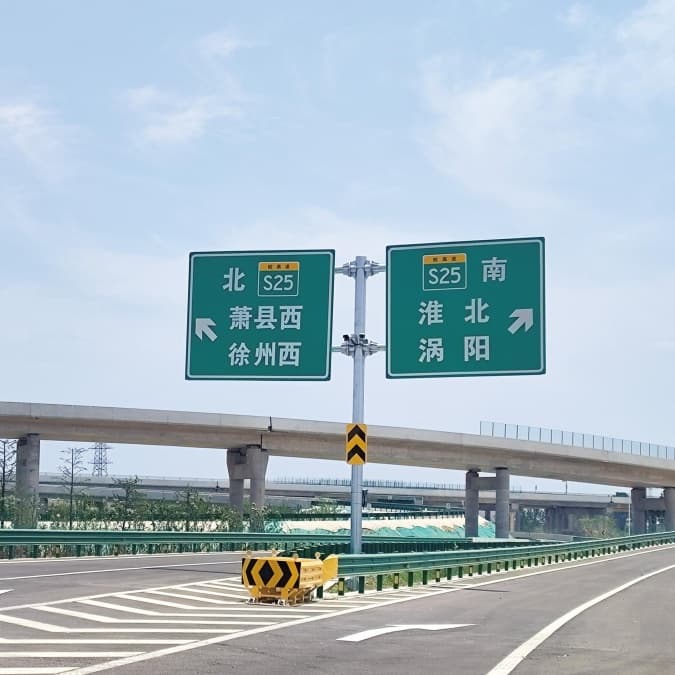
While barriers protect drivers during accidents, prevention begins with clear communication. Road users rely on visual guidance to make quick and informed decisions, especially in unfamiliar areas.
High-quality Highway Traffic Signs provide essential information such as speed limits, lane directions, hazard warnings, and construction alerts. Reflective surfaces and standardized symbols ensure visibility at night and during adverse weather conditions.
Effective signage improves compliance with traffic regulations, reduces confusion, and enhances overall road efficiency. In urban environments, clear signs also help protect pedestrians and cyclists by creating predictable traffic behavior.
The effectiveness of traffic safety products depends heavily on material selection and manufacturing quality. Steel-based safety facilities are widely used due to their mechanical strength and resistance to deformation under impact.
Galvanized coatings protect steel components from corrosion, ensuring durability even in coastal or high-humidity regions. Precision manufacturing and strict quality control guarantee consistent performance and compliance with international road safety standards.
Traffic safety facilities are not limited to public roads. Industrial parks, logistics centers, ports, and construction sites also require effective traffic management solutions. In these environments, safety facilities help separate vehicles from pedestrians, define restricted zones, and improve operational efficiency.
Temporary safety solutions are equally important during road maintenance and construction projects. Portable barriers and temporary signage maintain safety while allowing infrastructure upgrades to proceed without major disruption.
The future of road safety lies in innovation and integration. Smart transportation systems are increasingly being combined with traditional safety infrastructure. Sensors, intelligent signage, and data-driven monitoring systems allow real-time responses to changing road conditions.
Sustainability is another key trend. Modular designs, recyclable materials, and energy-efficient manufacturing processes are shaping the next generation of traffic safety solutions.
Investing in high-quality traffic safety facilities is an investment in public safety, economic stability, and sustainable development. From reducing accident rates to improving traffic efficiency, well-designed safety infrastructure delivers long-term value.
As transportation demands continue to grow, reliable traffic safety solutions will remain a cornerstone of modern infrastructure. Choosing certified materials, proven designs, and experienced manufacturers is essential for building safer roads today and in the future.

leave a message
Scan to Wechat/Whatsapp: