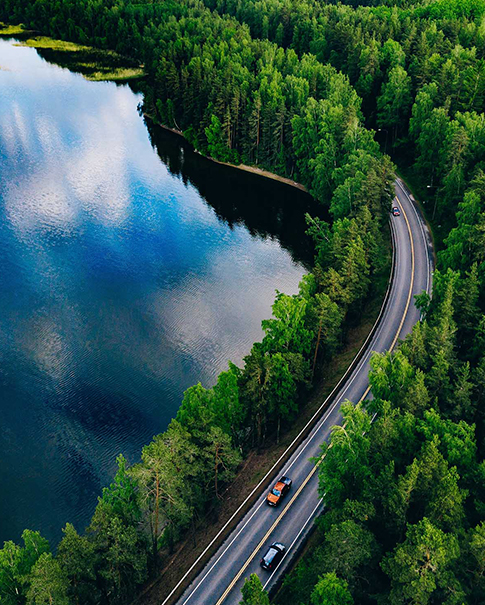
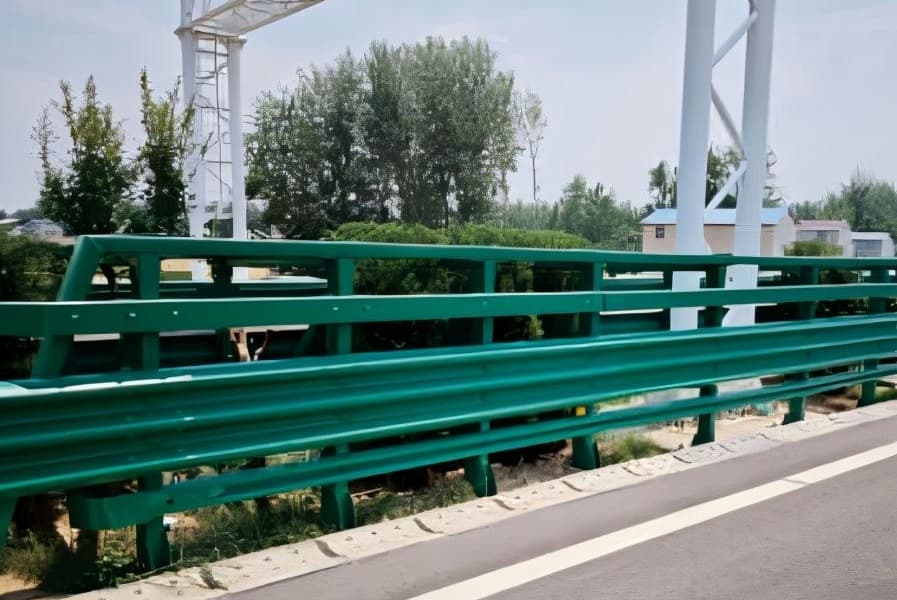
You see traffic safety facilities every day. These tools help protect you and others. They include signs, guardrails, barriers, and smart devices. Each type works to stop accidents and keep people safe.
|
Category |
Statistic |
|---|---|
|
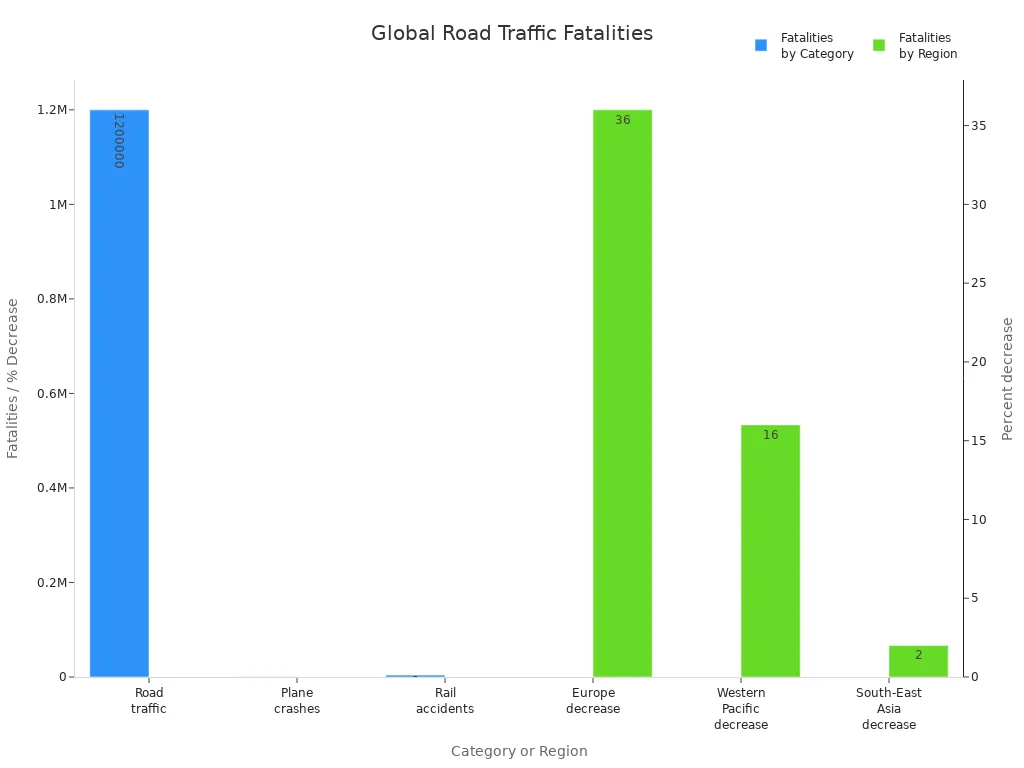
Total road traffic fatalities (2021) |
1.2 million deaths |
|
Fatalities in plane crashes |
350 deaths |
|
Fatalities in rail accidents |
4,000 deaths |
|
Fatalities among ages 5 to 29 |
Highest number of fatalities |
|
Fatalities among ages 18 to 59 |
69% of total fatalities |
|
Fatalities among ages 60+ |
23% of total fatalities |
|
Percentage of fatalities that are men |
75% of total fatalities |
|
Decrease in European region |
36% decrease |
|
Decrease in Western Pacific region |
16% decrease |
You can find advanced products on modern roads. Some examples are Highway Protective Fall Prevention Dense Mesh, Low Deformation Guardrail For Highway Safety, and High-Strength Steel Formwork. These facilities help lower crash rates. They protect drivers and make roads safer for everyone.
Traffic safety facilities, such as signs and guardrails, help keep people safe on the road.
There are different kinds of traffic signs. Each type has its own job. Some signs tell you rules. Some signs warn you about danger. Some signs help guide you where to go.
Barriers and guardrails stop cars from going off the road. They also help make crashes less serious.
Electronic traffic controls, like smart signals and cameras, help make roads safer. They also help cars move better.
You should always look at traffic safety facilities. This helps stop accidents and keeps everyone safe.
You see traffic safety facilities almost everywhere. These include barriers, guardrails, electronic equipment, and signage. Each one helps keep people safe on the road. The table below shows the main types and where they are used:
|
Category Type |
Application Area |
|---|---|
|
Plastic Type |
Highway |
|
Metal Type |
Urban Roads |
|
Electronic Equipment |
Rail Transit |
|
Other |
Other |
You can find these on highways, city streets, and near railways. Signage helps drivers and people walking know what to do. There are also advanced products like Highway Protective Fall Prevention Dense Mesh and Low Deformation Guardrail For Highway Safety. These help stop crashes and make roads safer.
In the countryside, safety problems can happen in different ways. People use many ideas to make things better. Many country roads do not have shoulders. Hazards are often close to the road. People drive faster and use seat belts less. This makes things more dangerous. You should always look at signage and barriers, especially in these places.
Traffic safety facilities do many important jobs. They help you use the road safely. They also keep traffic moving well. Here are some main functions:
Let you use roads when there is construction or repairs.
Show you and others how to get around detours or accidents.
Protect people walking and biking with clear signage and safe paths.
Lower the chance of crashes by controlling traffic.
The main goal of traffic control systems is to keep people safe near moving traffic. If there is no control, accidents and injuries can happen more. Rules for traffic help make sure things are safe and work well.
Traffic safety facilities also help keep people walking safe. Good signage and crossings help you and others cross the street safely. Facilities like High-Strength Steel Formwork make barriers stronger and safer. When you see these things, you know experts planned for your safety.
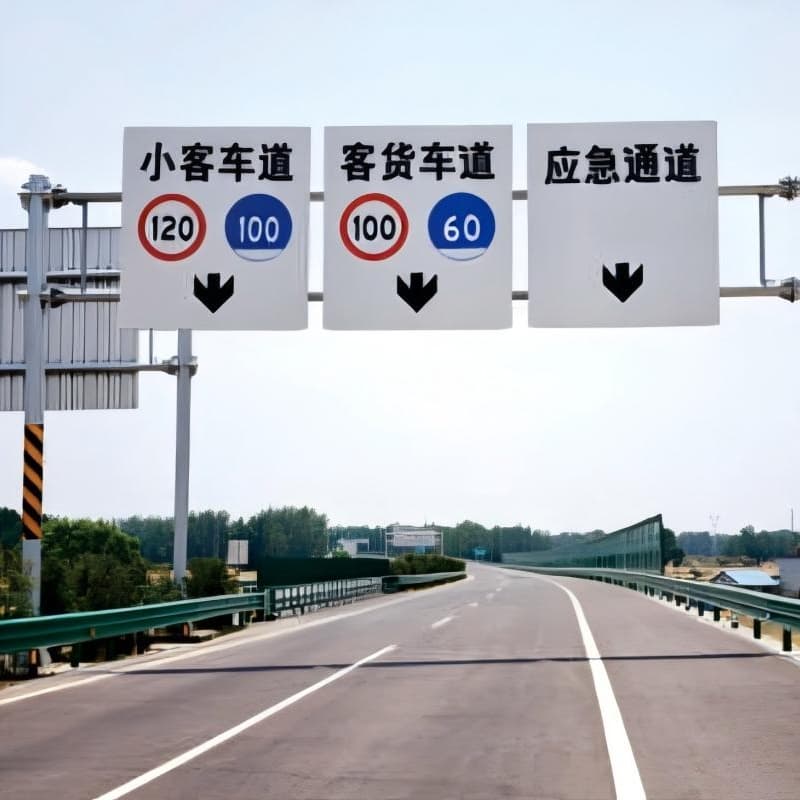
Traffic signs and signals keep you safe on the road. You see these signs every day. They tell you what to do and warn you about dangers. They also help you find your way. Traffic signs and signals use shapes, colors, and lights. This helps share important messages fast. When you follow these signs, you help stop crashes and keep traffic moving.
There are different types of traffic signs on the road. Each type has its own job. The main types are regulatory, warning, guide, and service or recreation signs. The table below shows what each type does:
|
Type of Sign |
Purpose |
|---|---|
|
Regulatory Signs |
Show traffic laws and rules. They tell drivers when to go and how fast. |
|
Warning Signs |
Warn drivers about dangers or changes in the road. They help you be careful. |
|
Guide Signs |
Give information about places, distances, and directions. They help you find your way. |
|
Service and Recreation Signs |
Tell you about services like gas or food. They also show parks and fun places. |
Different countries use different shapes and colors for signs. For example:
The MUTCD in the U.S. uses yellow diamond signs for warnings.
The Vienna Convention uses red triangles for warnings.
Australia uses "Give Way" signs instead of "Yield."
Speed limits are in miles per hour in the U.S. and kilometers per hour in other places.
Some signs use pictures, and some use words.
Traffic signs and signals are important for road safety. They help you know the rules and spot dangers. They also help you find where to go. These signs use bright colors and special materials. This makes them easy to see, even at night. Reflective traffic signs shine when car lights hit them. This helps you see signs in the dark.
Did you know? Half of all traffic deaths happen at night. But only a quarter of travel is at night. The chance of dying in a crash at night is three times higher than in the day.
Traffic signs and signals help you avoid dangers on the road. Warning signs tell you about sharp turns, wet roads, or road work. Guide signs show you where to turn or how far you need to go. Regulatory signs tell you when to stop, yield, or follow speed limits. Service signs show gas stations, hospitals, or parks.
Traffic lights and control signals use red, yellow, and green lights. These lights tell you when to stop, get ready, or go. You see traffic lights at busy streets and crosswalks. The lights and signs work together to keep people safe.
When you watch traffic signs and signals, you help stop accidents. This keeps the roads safe for everyone.
You see many traffic control devices every day. These tools help keep you and others safe. Traffic control devices include signs, signals, and other things that guide traffic. You might see traffic cones, bollards, wedge barriers, and speed bumps in different places. Each type of traffic control device has a special job.
Traffic cones warn you about work or closed lanes.
Barricades and bollards block off dangerous spots.
Traffic signs and signals tell you when to stop or go.
Speed bumps make cars slow down in busy places.
These traffic controls help keep order and stop accidents. Traffic control devices show you where to drive and when to stop. They help you move safely. When you follow these devices, you help keep everyone safe.
Road markings are lines, symbols, and words painted on the road. These markings give you important information as you drive or walk. You see road markings at crosswalks, intersections, and along lanes. Markings show you where to stop, which lane to use, and where it is safe to walk.
|
Aspect |
Traffic Control Devices |
Road Markings |
|---|---|---|
|
Function |
Regulate and guide traffic through signs and signals |
Provide guidance and information on the road surface |
|
Application |
Used for regulation (e.g., speed limits) and guidance |
Specific markings on the road (e.g., lanes, parking) |
|
Examples |
Signs, signals, traffic lights |
Lines, patterns, words, reflectors, symbols |
Markings help stop confusion and keep traffic moving. In construction zones, special markings guide you around workers and machines. Temporary markings warn you about changes or dangers ahead. Markings also help stop crashes by showing clear lanes and stop lines. When you see good markings, you know where to go and how to stay safe.
You find road markings everywhere, like on city streets and highways. Markings guide traffic, especially at busy intersections. They work with other traffic controls to make roads safer. Markings mean you do not need extra workers to explain the rules. When you pay attention to markings, you help keep the road safe for everyone.
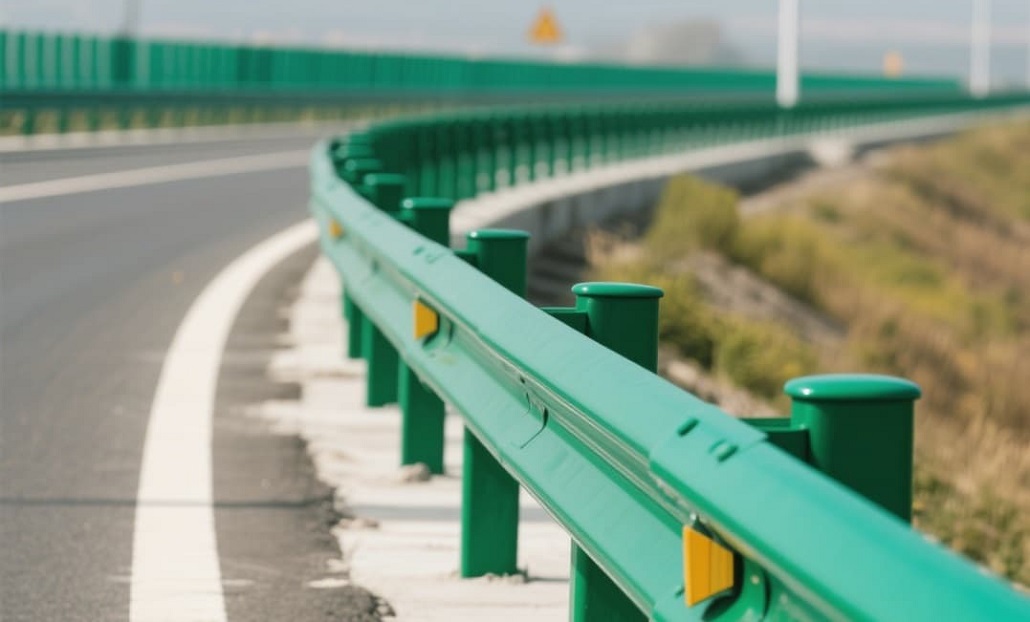
You see different barriers and guardrails on roads. These structures help stop cars from leaving the road. They also keep cars out of dangerous spots. Some common types are traffic barriers, pedestrian barriers, and road construction barriers. Traffic barriers, like jersey barriers, guide cars and protect work zones. Guardrails are usually made of steel. They stop cars from hitting trees, poles, or steep hills. Cable barriers bend and take in energy during a crash. Pedestrian barriers, like fences and bollards, keep people away from traffic. This helps lower the chance of accidents.
Some new products, like the Low Deformation Guardrail For Highway Safety, have special designs. These designs help stop cars from rolling over. Roller barriers move cars away instead of blocking them. The round rollers make it less likely for cars to flip. Countries in Asia and South America have fewer deadly crashes after using these barriers.
Barriers and guardrails are important for highway safety. They protect you and other people from bad crashes. Crash cushions and median barriers give extra safety. The table below shows how they help:
|
Feature |
Crash Cushions |
Median Barriers |
|---|---|---|
|
Energy absorption |
Lowers the force when cars crash. |
Stops cars from crossing into other lanes. |
|
Versatility |
Works in many road setups. |
Works in many road setups and with different materials. |
|
Enhanced safety |
Less damage to cars and fewer injuries. |
Makes roads safer by keeping cars in their lanes. |
You also see things like Highway Protective Fall Prevention Dense Mesh on bridges and high places. This mesh stops cars and people from falling off the edge. It gives more safety for everyone.
Roller barriers help stop cars from spinning or stopping too fast.
The design has no sharp edges, so cars do not get stuck or ripped.
Most cars that hit these barriers only get small dents, so people stay safe.
Barriers and guardrails work with other traffic safety tools. They help lower crashes and save lives every day.
You see electronic traffic controls all the time. These tools help you get through busy streets safely. Speed cameras, adaptive signals, and message signs work together. They guide you as you drive. Cities use smart systems to control traffic and stop jams. These systems have sensors and cameras. They watch traffic and change signals right away. This means you get to places faster and roads are safer.
Here is a table that shows some new electronic traffic controls:
|
Technology |
Description |
Benefits |
|---|---|---|
|
AI-powered traffic sensors |
Use computers to study traffic and learn patterns. |
Can cut down time in traffic by up to 40%. |
|
Adaptive signal control systems |
Change traffic lights quickly using real-time data. |
Can make travel times 25% shorter and waiting times 40% less. |
|
Predictive analytics |
Guess traffic problems using new and old data. |
Can lower travel times by 15-25% and save fuel. |
|
Omnisight’s FusionSensor |
Uses radar and video to get good traffic data. |
Can be right about traffic 98.7% of the time. |
|
Smart City implementations |
Cities like Dubai and Singapore use these tools for traffic. |
Give faster trips, cleaner air, and safer roads. |
Speed cameras and message signs change how people drive. Studies show these tools help lower crash rates. They also help you follow speed limits. Permanent signs in school zones keep kids safe. Dynamic signs in the country can lower crashes by up to 7%. When you pay attention to these signals, you help make roads safer.
Smart safety devices protect you and help traffic move better. These tools use sensors to find dangers like potholes or slippery roads. You get alerts right away so you can stay safe. Smart systems also help cars move faster and use less gas.
Here is a table that shows what smart safety devices do:
|
Function |
Description |
|---|---|
|
Road hazard detection |
Alerts warn you about potholes, slippery roads, people, and things in the way. |
|
Traffic flow improvement |
Smart systems help traffic move and make roads safer. They also save time and fuel. |
You also see strong barriers and supports on highways. Products like High-Strength Steel Formwork help safety devices last longer. Steel formwork is very strong and lasts over 15 years. This helps stop things from falling and keeps workers and drivers safe.
Tip: When you see electronic signs or smart devices, watch them. These tools help you stay safe and keep traffic moving.
You make roads safer when you watch traffic safety facilities. These tools help stop crashes and save lives. Experts see fewer deaths where there are good laws and smart designs.
|
Study Location |
Intervention |
Outcome |
Effectiveness |
|---|---|---|---|
|
Brazil |
Traffic Code |
Fewer deaths each year |
Big drop for young adults |
|
Vietnam |
Motorcycle helmet law |
Less years of life lost |
Big reduction seen |
|
Iran |
Seatbelt legislation |
Less serious injuries |
Good results in first two years |
New products and designs help slow cars and protect people. You see roundabouts and barriers that guide drivers safely. Experts say you should learn about safety and follow the rules. Always respect signs and barriers. You can help by sharing safety tips and watching for changes on the road.
Remember: When you respect safety facilities, you keep yourself and others safe.
Traffic safety facilities help you stay safe on roads. You see signs, guardrails, barriers, and smart devices. These tools guide you, warn you, and protect you from accidents.
Guardrails stop your car from leaving the road. They absorb impact and keep you away from dangerous areas. You stay safer when you drive near strong guardrails.
Road markings show you where to drive, stop, or walk. They help you follow rules and avoid confusion. You see lines, arrows, and symbols that guide you every day.
Tip: Always watch for new road markings in construction zones. They keep you safe.
|
Product Name |
Main Function |
|---|---|
|
Highway Protective Fall Prevention Dense Mesh |
Stops falls from high places |
|
Low Deformation Guardrail For Highway Safety |
Reduces rollover risk |
|
High-Strength Steel Formwork |
Strengthens barriers |
You find these products on modern highways. They help lower crash rates and protect you.

leave a message
Scan to Wechat/Whatsapp: