

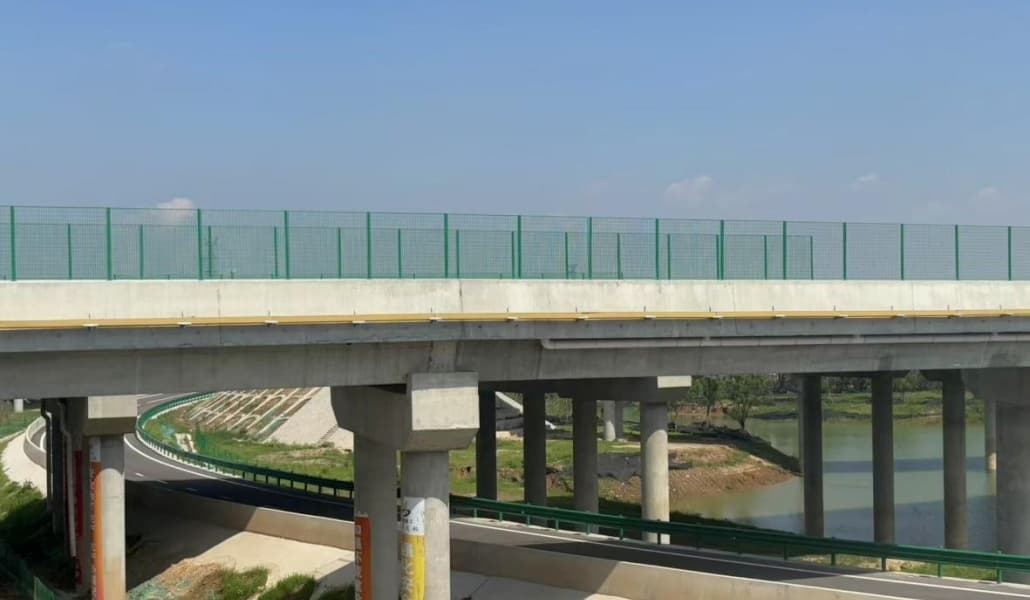
Staying safe on high-risk roadways requires more than just careful driving—it demands a comprehensive approach that combines the best defenses available. Practicing defensive driving and maintaining situational awareness empower you to identify hazards early, adjust your speed, and make informed decisions on the road. Research consistently demonstrates that implementing proactive safety measures leads to significant reductions in roadway accidents. For example, the adoption of a journey management system has been shown to decrease crashes from 48 to just 3 over a three-year period.
Building a strong safety culture starts with proactive training in defensive driving and situational awareness. However, the best defenses also include investing in advanced roadway safety solutions. Utilizing proven options such as a Custom Corrugated Steel Guardrail can provide robust protection along dangerous stretches of highway, effectively absorbing impact and reducing the severity of accidents. At critical points like tunnel entrances, installing a Tunnel Entrance Safety Barrier is essential for preventing vehicles from veering off course and ensuring the safety of all motorists.
Additionally, working with a reputable Highway Protective Mesh Manufacturer ensures that you have access to high-quality mesh fencing designed to prevent falls and keep debris off the roadway, further enhancing overall safety. By integrating these advanced safety products with vigilant driving habits and situational awareness, you significantly increase your protection on high-risk roads. Adopting these best defenses not only safeguards your journey but also contributes to a safer driving environment for everyone.
Practice defensive driving by staying alert and focused on the road. This helps you spot hazards early and react quickly.
Use advanced safety features like guardrails and mesh barriers. These tools absorb impact and prevent vehicles from leaving the roadway.
Maintain your vehicle regularly to avoid breakdowns. Check tires, lights, and steering to ensure safe driving on high-risk roads.
Create an emergency kit for roadside incidents. Include essentials like jumper cables, a first aid kit, and water to stay prepared.
Adapt your driving to weather conditions. Slow down and increase following distance in rain, fog, or snow to improve safety.
Navigating high-risk roadways demands more than basic driving skills. You need the best defenses to protect yourself and others from accidents and collisions. These defenses matter because dangerous roads often present unpredictable hazards, such as sharp curves, poor visibility, and heavy traffic. By combining strong personal driving habits with advanced road safety features, you can significantly reduce the chances of accidents and injuries. Defensive driving techniques and situational awareness form the foundation of the best defenses, while physical barriers and feedback systems further enhance your protection.
Defensive driving techniques help you anticipate and respond to potential risks before they become real dangers. You must stay alert and ready to act at all times. Here are some of the most effective defensive driving techniques for high-risk roads:
Concentrate fully on the road. Your attention should always be on driving and processing information about your surroundings.
Avoid distractions. Put away your phone, do not eat or drink, and keep your focus on the task of driving.
Stay aware of your environment. Watch for other vehicles, pedestrians, and changing road conditions.
Monitor traffic around you. Check your mirrors often and be mindful of vehicles in your blind spots.
Stay calm in stressful situations. If you encounter an accident or sudden hazard, keep your composure to avoid making mistakes.
Tip: Defensive driving means you always expect the unexpected. You look ahead, anticipate hazards, and react early to prevent accidents.
You should also adapt your driving to road and weather conditions. Slow down in rain, fog, or snow to maintain traction and visibility. Practice smooth braking and acceleration to avoid skidding, especially on wet surfaces. Do not rely too much on technology; use it as a tool, not a replacement for your judgment. Always check your blind spots before changing lanes and remain cautious, even on familiar roads. Judge gaps and turns carefully to avoid risky maneuvers.
Defensive driving education now emphasizes constant vigilance and the ability to avoid distraction. You must maintain a safe following distance, check blind spots regularly, and take defensive actions quickly when needed. These habits help you prevent collisions and keep yourself and others safe.
Combining your personal driving habits with roadway safety features, such as feedback systems and physical barriers, creates the best defenses against accidents. Studies show that driver feedback systems, including smartphone apps and in-vehicle alerts, reduce risky behaviors like speeding and phone use. This combination lowers crash risks and improves overall driving behavior.
Staying focused and alert is a key part of defensive driving. Most accidents happen when drivers lose attention, often due to complacency or multitasking. You must avoid distraction by keeping your mind and eyes on the road at all times. The main causes of distraction include texting, eating, using a phone or GPS, grooming, talking to passengers, adjusting car controls, external distractions, daydreaming, reaching for objects, and pets in the car.
|
Cause of Distraction |
Description |
|---|---|
|
Texting While Driving |
Engages visual, manual, and cognitive distractions, increasing crash risk by 23 times. |
|
Eating and Drinking |
Causes manual distractions, increasing accident odds by 80%. |
|
Using a Phone or GPS |
Requires visual, manual, and cognitive focus, quadrupling crash likelihood. |
|
Grooming |
Involves visual and manual distractions, increasing risk of losing control. |
|
Talking to Passengers |
Engaging in conversations can divert cognitive focus, increasing accident chances by 60%. |
|
Adjusting Car Controls |
Takes attention away from driving, leading to dangerous situations. |
|
External Distractions |
Prolonged focus on external factors can lead to accidents, contributing to over 10% of incidents. |
|
Daydreaming |
A wandering mind can cause drivers to miss critical signals, leading to severe accidents. |
|
Reaching for Objects |
Increases risk of swerving or losing control due to manual distraction. |
|
Pets in the Car |
Unrestrained pets can cause visual and manual distractions, leading to accidents. |
You can stay alert by getting enough sleep before your trip and planning regular breaks. Take a break every two hours or 100 miles to refresh your body and mind. Drink water to stay hydrated and eat light snacks to maintain energy. Use breaks for movement to boost alertness. Keep your car cool and well-lit to help you stay focused. Listen to music or podcasts to keep your mind active, but do not let them become distractions.
Recognize warning signs of fatigue, such as yawning, heavy eyelids, or drifting from your lane. If you notice these signs, pull over and rest. Plan your journey thoughtfully, scheduling rest stops and avoiding driving during your natural sleep hours.
A mindset of constant vigilance and proactive risk mitigation is essential for reducing the likelihood of accidents. By practicing defensive driving and maintaining situational awareness, you can foresee potential issues and act early to avoid collisions. Defensive driving is not just about following rules; it is about understanding your responsibility on the road and making safety your top priority.
Note: The best defenses for high-risk roads always combine your personal habits with proven road safety features. This approach gives you the strongest protection against accidents and collisions.
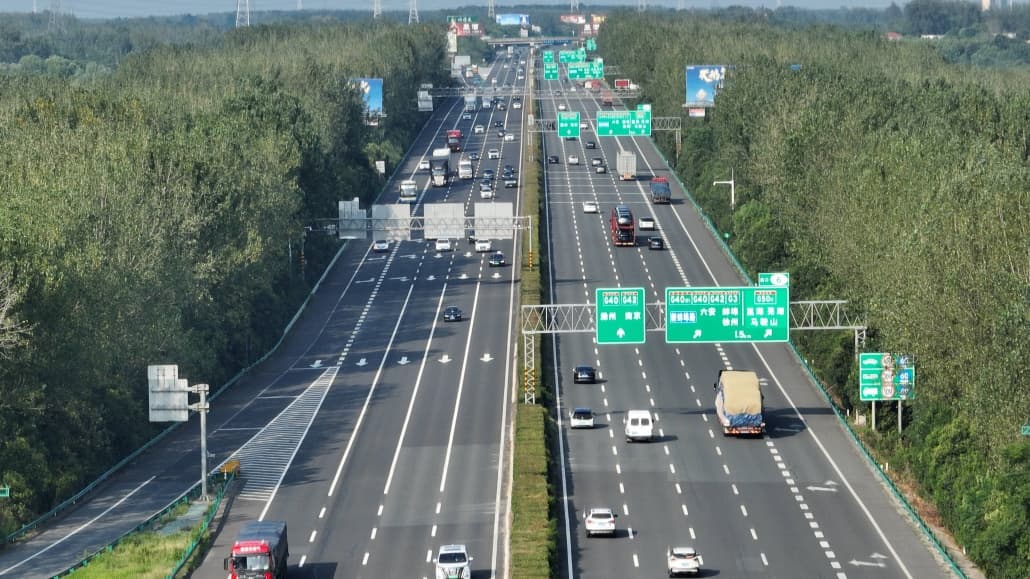
Physical barriers and infrastructure improvements play a crucial role in preventing accidents on high-risk roads. You can rely on these features to reduce hazards and protect everyone who uses the roadway. When you combine these safety measures with good driving habits, you create a strong defense against accidents. Many modern road safety features use advanced engineering and materials to keep you safe, even in challenging conditions.
You often see guardrails along highways and sharp curves. These barriers help prevent vehicles from leaving the road during a crash. A Custom Corrugated Steel Guardrail offers strong impact protection. It uses high-tensile steel and a special beam profile to absorb energy and redirect vehicles safely. This design reduces the risk of rollovers and keeps cars from entering dangerous areas.
The latest guardrails meet strict performance standards. They maintain their shape under heavy impact and have a long service life. You benefit from their durability and reliability, especially on roads with high traffic or sharp turns. The table below shows some key features of modern guardrails:
|
Feature |
Description |
|---|---|
|
High-Strength Material |
Made from high-tensile steel for robust impact resistance |
|
Low Deformation |
Maintains structure under collision, minimizing vehicle rollover risks |
|
Beam Profile |
W-Beam or Two-Wave for effective vehicle redirection |
|
Rated System Performance |
Meets TL-3 / NCHRP 350 standards for low deformation under impact loads |
|
Post Spacing |
Typical spacing of ~1.9 m for effective placement |
You can see how these features work together to improve road safety and reduce the number of accidents. Guardrails are especially important in areas with steep slopes, bridges, or drop-offs.
Tunnel entrances present unique hazards. Drivers may face sudden changes in lighting, narrow lanes, or sharp curves. A Tunnel Entrance Safety Barrier protects you by guiding vehicles safely through these risky zones. These barriers use high-strength materials and advanced engineering to withstand collisions and prevent vehicles from veering off course.
You benefit from the barrier’s low deformation design, which keeps the structure intact even after a crash. This feature helps prevent secondary accidents and keeps the tunnel entrance clear for emergency vehicles. The use of tunnel entrance barriers has become a best practice in modern road safety engineering.
In addition to barriers, other proven safety countermeasures help reduce accidents in hazardous areas:
Wider edge lines make it easier for you to stay in your lane, especially at night or in poor weather.
Rumble strips alert you if you drift out of your lane, reducing single-vehicle run-off crashes by an average of 22%.
Medians separate opposing traffic, lowering the risk of head-on collisions.
These features work together to create a safer driving environment and help you avoid accidents.
Falling debris and roadside hazards can cause serious accidents. You need reliable solutions to keep these dangers away from traffic lanes. Working with a Highway Protective Mesh Manufacturer gives you access to advanced mesh fencing and safety products. These solutions use galvanized steel or expanded aluminum mesh for durability and long service life.
Modern highway protective mesh offers several innovations that enhance road safety. The table below highlights some of the latest features:
|
Feature |
Description |
|---|---|
|
Anti-Glare Boards |
Reduces glare, improving visibility and safety |
|
Dense Mesh Fencing |
Prevents debris from falling onto traffic lanes |
|
Material |
Galvanized steel mesh and expanded aluminum for durability |
|
Load & Impact Resistance |
Handles heavy impact and high wind loads |
|
Corrosion Resistance |
Withstands salt spray and UV exposure, extending service life |
|
Service Life |
Lasts 15-25 years under normal highway use |
You can trust these products to keep the roadway clear and safe for all users. Mesh fencing also protects pedestrians and cyclists by creating a barrier between traffic and vulnerable road users.
Other infrastructure improvements also contribute to preventing accidents:
Safe school zones slow down traffic and protect children.
Dedicated cycling paths reduce conflicts between vehicles and cyclists.
Traffic calming measures, such as speed humps, lower vehicle speeds and accident severity.
Regular road safety audits identify hazards and recommend improvements.
Tip: Combining physical barriers, mesh fencing, and other safety features with your own defensive driving habits gives you the best protection against accidents.
By understanding and using these roadway safety features, you play an active role in preventing accidents and making travel safer for everyone.
You face many challenges when driving in poor weather or changing road conditions. Defensive driving helps you stay safe by adjusting your actions to match the environment. Rain, fog, snow, and ice can reduce visibility and traction. You should reduce speed and increase your following distance. Use headlights during low visibility. Avoid sudden braking or acceleration on slippery roads. Anticipate weather changes and adjust your driving to keep control. These steps improve road safety and help you avoid accidents.
Reduce speed in adverse weather.
Increase following distance for safe stopping.
Use headlights in rain, fog, snow, or ice.
Avoid sudden movements on slippery surfaces.
Adjust your speed according to road conditions.
Stress and fatigue can affect your ability to drive safely. Defensive driving means you recognize when you feel tired or stressed and take action. Research shows that fatigue can slow your reaction speed and decision-making. Staying awake for 18 hours can impair you as much as drinking alcohol. After 24 hours, your abilities match the legal intoxication limit. You must rest before driving and take breaks during long trips. Staying calm and alert improves your safety and helps you make better decisions on high-risk roadways.
Tip: Take regular breaks and avoid driving when tired. This keeps your mind sharp and reduces accident risk.
Heavy traffic requires defensive driving to keep you safe. You should maintain a safe following distance and avoid aggressive behaviors like weaving between lanes. Follow the three-second rule to keep space from the vehicle ahead. Increase your following distance in bad weather or at higher speeds. Keep a safe bubble of space around your vehicle. Anticipate the actions of other drivers and stay patient. Adjust your speed and following distance based on traffic and road conditions. These habits improve road safety and reduce the chance of collisions.
Maintain a safe following distance.
Avoid aggressive driving.
Stay patient and calm.
Allow room for other motorists.
Adjust distance for weather and speed.
You play a vital role in road safety by keeping your vehicle in top condition. Regular checks help you avoid breakdowns and reduce the risk of accidents, especially on high-risk roads. Defensive driving starts before you even get behind the wheel. You should focus on these critical maintenance tasks:
Keep detailed records of steering and suspension work. This prevents failures that could cause serious accidents.
Document repairs for coupling devices like fifth wheels and kingpins. Secure connections are essential for safe driving.
Track all lighting and electrical system repairs. Reliable lights keep you visible and help you respond to emergencies.
Maintain your tires carefully. Tires are your only contact with the road, so check pressure and tread often.
By making these checks part of your routine, you support defensive driving and improve your safety on every trip.
You never know when emergencies or emergency situations will happen. A well-equipped emergency kit can help you handle up to 30% of roadside incidents without outside help. It also boosts your confidence and sense of safety. Update your kit every season and make sure it includes these essentials:
|
Essential Item |
Description |
|---|---|
|
Jumper cables or portable battery |
Keeps your vehicle charged. |
|
Emergency flares |
Alerts other drivers to your presence. |
|
Motor oil |
Ensures proper engine lubrication. |
|
Coolant |
Prevents engine overheating. |
|
First aid kit |
Includes blanket, flashlight, batteries, water, and more. |
|
Tools |
Multipurpose tool or small kit for repairs. |
|
Tire pressure gauge |
Checks tire pressure; inflator and sealant patch tires. |
|
Winter weather items |
Ice scraper, snow brush, shovel, warm clothing. |
|
Extras |
Rain poncho, reflective vest, compass, duct tape, bungee cords. |
If you face trouble on a dangerous road, follow these steps:
Move your vehicle as far off the road as possible.
Turn on your hazard lights to stay visible.
Stay inside your car with your seatbelt on unless there is immediate danger.
Call 911 for emergencies or roadside assistance for mechanical issues.
Remember the "Move Over" law—drivers must change lanes or slow down for stopped vehicles.
Defensive driving and preparation help you manage emergencies and keep yourself safe on any road.
You improve safety on high-risk roadways by practicing defensive driving and using proven strategies. Defensive driving means you stay alert, follow the 3-second rule, and check blind spots. Safety features like guardrails and mesh barriers work with your driving habits to reduce accidents. Young drivers often face risks from peer influence, speeding, and distractions. Targeted safety strategies and journey risk management lower accident rates. Building defensive habits behind the wheel and ongoing driver education help you make smart decisions. The table below shows how key strategies impact safety:
|
Key Strategy |
Description |
Outcome |
|---|---|---|
|
Defensive driving |
Anticipate hazards, stay alert |
Fewer accidents |
|
Safety features |
Guardrails, mesh, barriers |
Reduced accident severity |
|
Smart driving habits |
Use signals, follow rules |
Improved road safety |
You create safer journeys by combining defensive driving with advanced safety features. Start today and make defensive choices every time you drive.
You should always stay alert and focused. This habit helps you spot hazards early and react quickly. Defensive driving starts with your attention and awareness.
Guardrails absorb impact and redirect vehicles. You stay safer because these barriers prevent cars from leaving the roadway or entering dangerous areas.
Regular checks help you find problems early. You reduce the risk of breakdowns or accidents. Safe vehicles support defensive driving.
Pack jumper cables, flares, a first aid kit, water, and basic tools. You prepare for common roadside emergencies and stay safe until help arrives.
Slow down and increase your following distance. Use headlights for better visibility. You improve your control and reduce accident risks in rain, fog, or snow.

leave a message
Scan to Wechat/Whatsapp: