

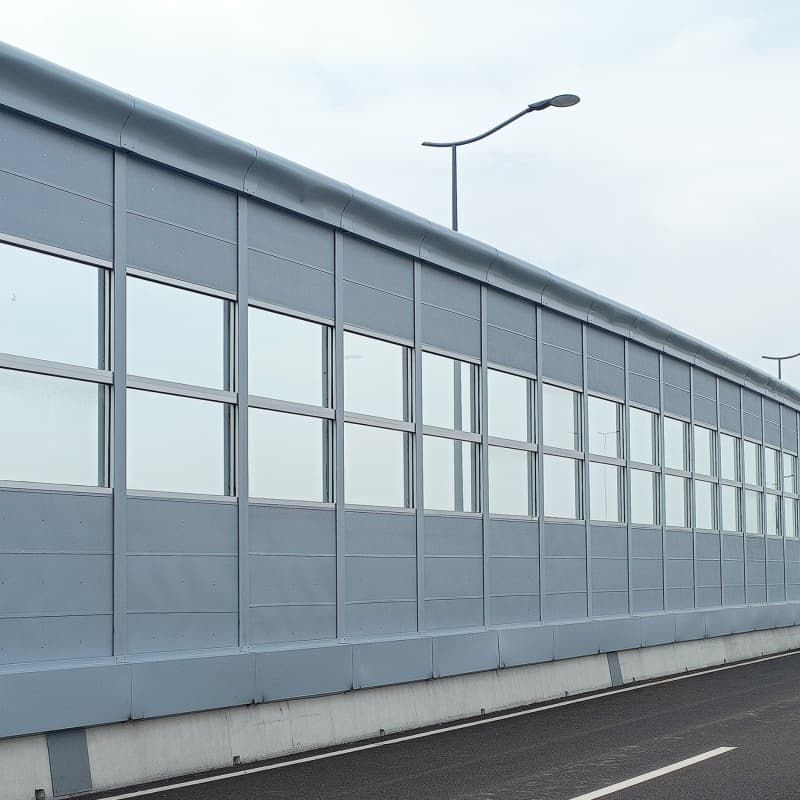
The rapid expansion of global infrastructure has brought the world closer together, but it has also introduced a set of complex challenges for urban planners and civil engineers. As vehicle densities reach all-time highs, the traditional approach to roadside construction is no longer sufficient. Modern transport networks require a sophisticated integration of durability, acoustics, and impact science. When we ask, "Are your roads ready for high traffic and noise?" we are not just discussing asphalt and lane markings; we are addressing the structural integrity of the entire transit corridor. A well-designed highway must act as a protective shell for both the commuters within it and the communities surrounding it, which is why high-quality Highway & Road Safety Facilities have become the backbone of modern civil engineering, moving beyond simple markers to become life-saving, energy-absorbing systems.
The primary function of any safety barrier is to redirect an errant vehicle back onto the roadway while absorbing enough kinetic energy to prevent a fatal deceleration. This is a delicate balancing act of physics. If a barrier is too rigid, the vehicle stops instantly, transferring the G-force to the passengers; if it is too flexible, the vehicle may break through or roll over.
Modern steel engineering has solved this through the use of high-tensile materials that offer controlled deformation. In the context of heavy-duty infrastructure, the casting and forming of these barriers are just as critical as the steel itself. For projects requiring massive concrete medians or bridge parapets, using Heavy Duty Steel Traffic Barriers during the construction phase ensures that the final concrete structures possess the precise geometric tolerance and structural density needed to withstand high-speed collisions. These steel-formed barriers create the "unseen" strength of our highways, providing a permanent shield against the chaos of high-speed transit.
While physical safety is the immediate priority, the long-term health of urban environments depends on managing noise pollution. Decibel levels alongside major expressways can frequently exceed 80 or 90 dB—levels that, over time, contribute to chronic stress, sleep disturbance, and lowered property values in residential zones.
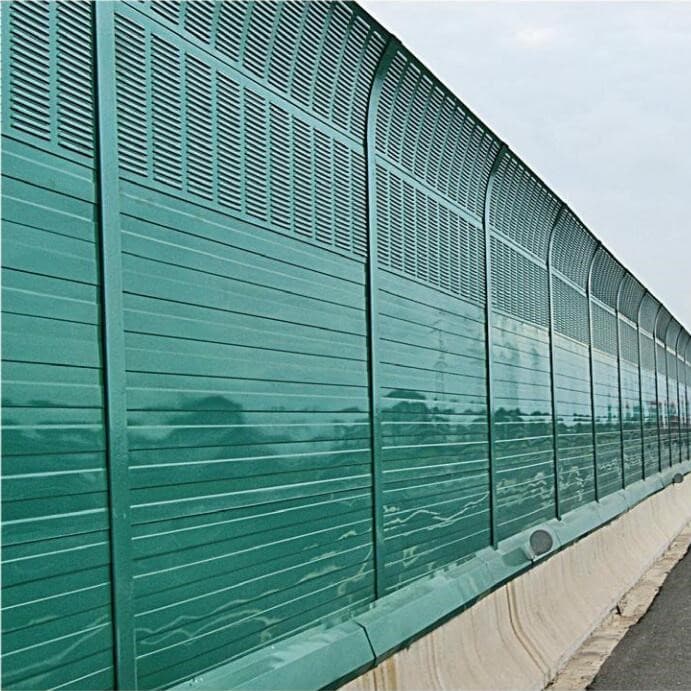
The challenge for engineers is that sound is a wave that can both travel through and "diffract" over obstacles. A simple wall is rarely enough. To truly mitigate the roar of thousands of tires on pavement, the industry has turned to specialized acoustic engineering. By implementing advanced Highway Sound Barrier Systems, planners can effectively "shadow" the noise, reflecting or absorbing sound waves before they reach sensitive areas. These systems often utilize a combination of perforated metal skins and high-density mineral wool or composite cores, turning a standard roadside fence into a sophisticated acoustic filter.
In the world of steel structures, the greatest enemy isn't impact; it’s time. Roadside facilities are constantly bombarded by salt spray, exhaust fumes, UV radiation, and fluctuating moisture levels. For a safety system to be "ready" for high traffic, it must maintain its structural properties for decades without significant maintenance.
This is where advanced anti-corrosion treatments, such as hot-dip galvanizing and specialized powder coatings, come into play. When steel is dipped into molten zinc, it forms a metallurgical bond that creates a sacrificial layer. Even if the barrier is scratched during a minor scrape, the surrounding zinc protects the underlying steel from rust. This longevity is essential for the economic viability of public works, ensuring that taxpayer investments don't literally rust away within a few years of installation.
Gone are the days when highway facilities had to be eyesores. Modern manufacturing allows for the customization of safety mesh, anti-glare boards, and sound panels that blend into the landscape. For instance, expanded metal mesh can provide fall protection on bridges while maintaining a high level of transparency for drivers, reducing the "tunnel effect" that can cause motorist fatigue. By using color-matched powder coatings, these structures can be integrated into the natural environment or the architectural theme of a city, proving that utility and beauty are not mutually exclusive.
The evolution of road safety is moving toward a holistic "smart corridor" approach. As autonomous vehicle technology matures, the physical infrastructure of the road—the barriers, the signs, and the sound walls—will serve as the physical guardrails for a digital system. Ensuring these structures are built with high-precision steel and engineered for maximum energy absorption is the first step in future-proofing our cities.
Building a road that is truly ready for the demands of the 21st century requires looking at the site as a living ecosystem. It requires the right formwork to cast the foundations, the right guardrails to protect the lanes, and the right acoustic shielding to protect the peace of the neighborhood. When these elements are manufactured with high-strength materials and treated for extreme environmental resistance, they form a silent, resilient guardian that keeps the world moving safely and quietly. Through the careful selection of durable steel components and specialized engineering designs, we create transit routes that don't just facilitate travel, but enhance the safety and quality of life for everyone who lives and works near them.

leave a message
Scan to Wechat/Whatsapp: